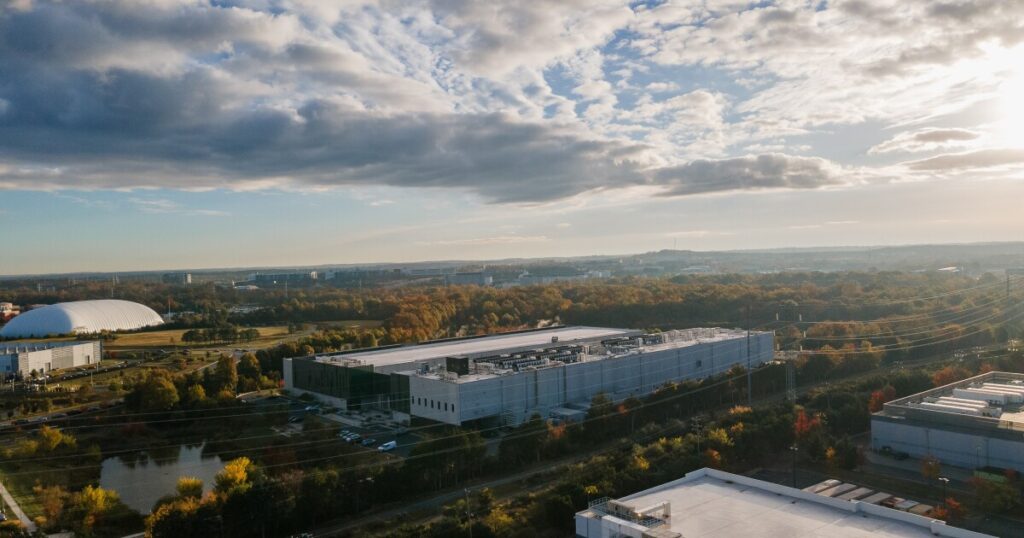
As the demand for artificial intelligence and data processing surges across the United States, the race is on to establish data centers that can support this technological boom. However, not everyone is thrilled with the rapid expansion of these facilities, sparking widespread opposition from communities worried about their local impact.
Shortly after Susan Bourgeois was named head of Louisiana Economic Development, she was approached with a significant proposal. “I was pulled aside in the lobby of the Hilton hotel by the CEO of Entergy Louisiana, who said, ‘We have a project and need to talk,'” Bourgeois recalled. This project was Meta’s plan to construct an enormous AI data center, which Bourgeois promptly pursued, recognizing the potential economic benefits for rural areas.
Since that initial conversation in 2024, the demand for data centers has only accelerated. Business needs, consumer habits, and government investments drive the construction of these facilities at breakneck speed. Yet, as these centers multiply, they bring challenges that are becoming hot-button issues, particularly in rural communities.
Community Concerns Rise
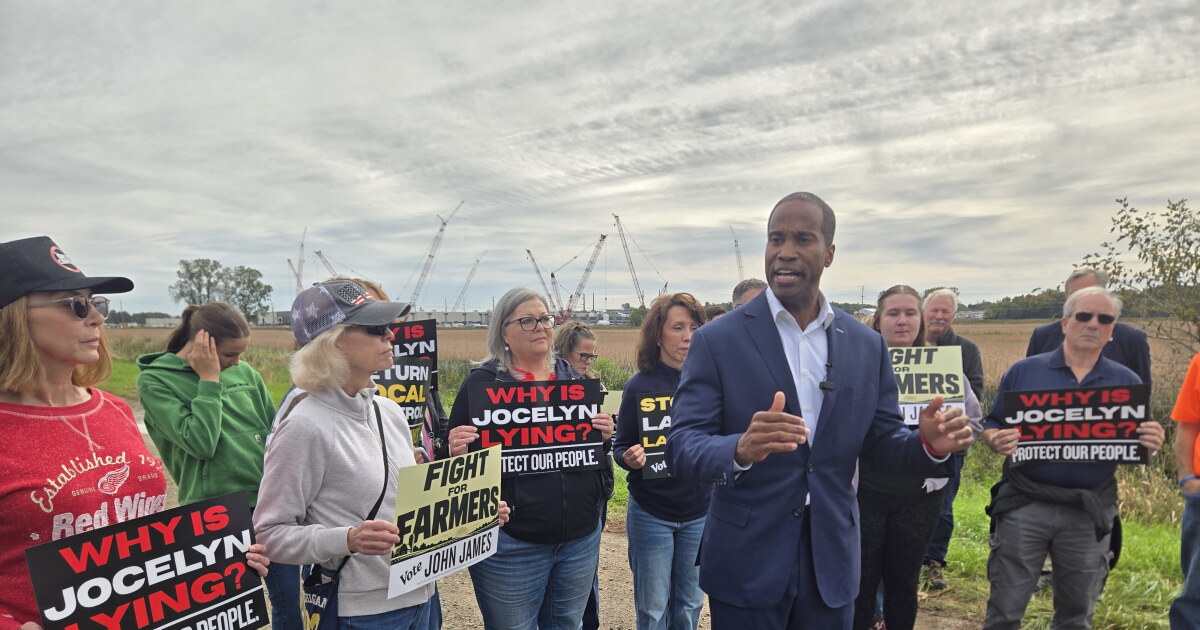
The expansion of data centers often entails significant environmental and aesthetic concerns, leading to strong opposition. “It has become a kitchen table issue, and it has become a very relevant political issue,” said Christabel Randolph from the Center for AI and Digital Policy. Many residents, like Mike Trentham in Tennessee, are vocal about their resistance, questioning why tech companies would build where they are unwelcome. “I think [the county] should fight it. And I hope they do,” Trentham told WUOT.
Local governments, often unprepared for the rapid influx of data center projects, find themselves at the forefront of regulating these developments. “It is very much a Wild West,” noted Julie Bolthouse from the Piedmont Environmental Council. Communities are now evaluating data centers alongside other significant developments, such as residential housing or major retail stores.
Political Implications
The pushback against data centers has become a political flashpoint. In Festus, Missouri, and Independence, Missouri, city officials faced electoral consequences due to their support for data center developments, as reported by St. Louis Public Radio and KCUR. Similarly, in North Carolina, political shifts have occurred, with veteran David Batts unseating a long-term incumbent after opposing a local data center project.
Economic Benefits and Challenges
Despite the controversy, data centers bring substantial economic incentives. They offer construction jobs, boost local tax revenues, and provide essential income for rural areas. For example, the Meta project in Louisiana is poised to generate $1.3 billion in wages and nearly $1 billion in taxes over five years. However, these economic benefits come with trade-offs, as states often offer substantial tax incentives to attract these developments.
In Georgia and Oklahoma, data centers are seen as vital for revitalizing struggling economies. Chris Clark from the Georgia Chamber of Commerce highlighted their importance: “Where I live, they’re building one of the largest data centers in the world right now, and it will generate more property tax value than all of us that live in the county combined.”
Regulatory Landscape
As local opposition grows, state and federal governments are grappling with how to regulate the data center industry. Some states, like Maine, have enacted moratoriums, while others, like Florida, have introduced regulatory measures to manage their environmental impact. The Florida Legislature recently passed a bill limiting data centers’ resource use and dictating where they can be built.
Virginia’s Pivotal Role
Virginia stands as a focal point in the data center debate, having the most facilities nationwide. The state’s Senate is considering removing tax exemptions that have incentivized data center growth, a move that could reshape its business landscape. Keith Martin from the Virginia Chamber of Commerce warned that changing these incentives might impact Virginia’s reputation as a business-friendly state.
The Sierra Club estimates that nearly 1,300 data centers are either operational or planned in Virginia, highlighting the scale of development and its potential implications.
Nationally, President Trump has supported data center expansion but also acknowledged the challenges they pose. His administration’s actions suggest an awareness of the affordability concerns associated with data centers, although critics argue that current plans lack enforcement power.
With the midterm elections approaching, the data center debate is likely to remain a significant issue for voters and policymakers alike.
For more comprehensive data, Data Center Map provides detailed location information, and party affiliations can be found at House.gov.
Copyright 2026 NPR
—
Read More Michigan News