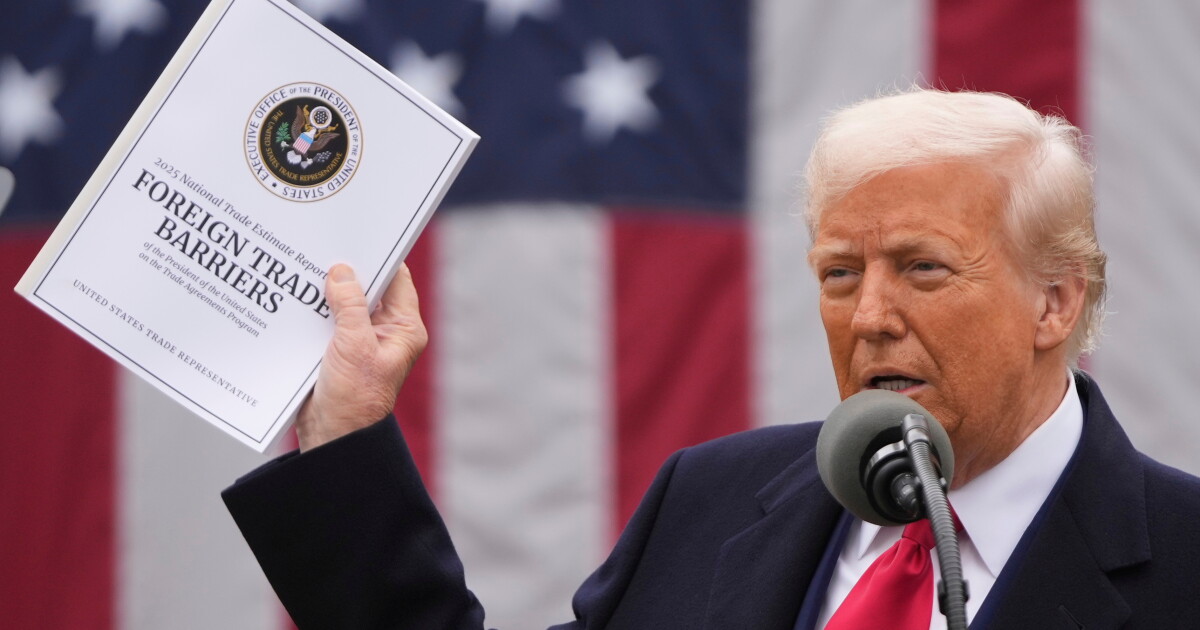
President Trump recently took an unexpected step that has stirred both political allies and adversaries. In a move that could have secured a legislative victory for his party, Trump decided to delay its finalization to pressure Congress into passing his favored elections overhaul bill, the SAVE America Act, which faces significant hurdles in the Senate.
On Wednesday, Trump canceled the signing of a bipartisan bill designed to reduce housing costs. He stated he would only proceed once the controversial SAVE America Act gained congressional approval. For months, he has reiterated his intention to block any legislation until his preferred bill passes.
Trump’s fixation on the SAVE America Act has already disrupted other legislative efforts, such as the renewal of a surveillance tool and nearly derailed Republican initiatives to boost immigration enforcement funding.
The SAVE America Act lacks the necessary 60 Senate votes to bypass a filibuster. Republican leaders are hesitant to eliminate the filibuster, a step Trump has suggested to ensure the bill’s passage.
Trump is pushing for the act ahead of a potentially challenging midterm election for the GOP, believing it would secure a Republican stronghold for decades. This belief is tied to unsubstantiated claims that noncitizen voting is rampant, despite the Bipartisan Policy Center and experts stating such occurrences are extremely rare.
Here are the key components of the SAVE America Act:
1. Proof of Citizenship Requirement
The act mandates that states reject voter registration applications for federal elections unless the applicant provides proof of U.S. citizenship. Documents like U.S. passports and birth certificates are among the limited accepted forms of proof. A national survey revealed that 21.3 million eligible voters might struggle to quickly access these documents.
Trump’s previous executive order requiring proof of citizenship for voter registration was blocked by a federal court.
2. Photo ID Requirement for Voting
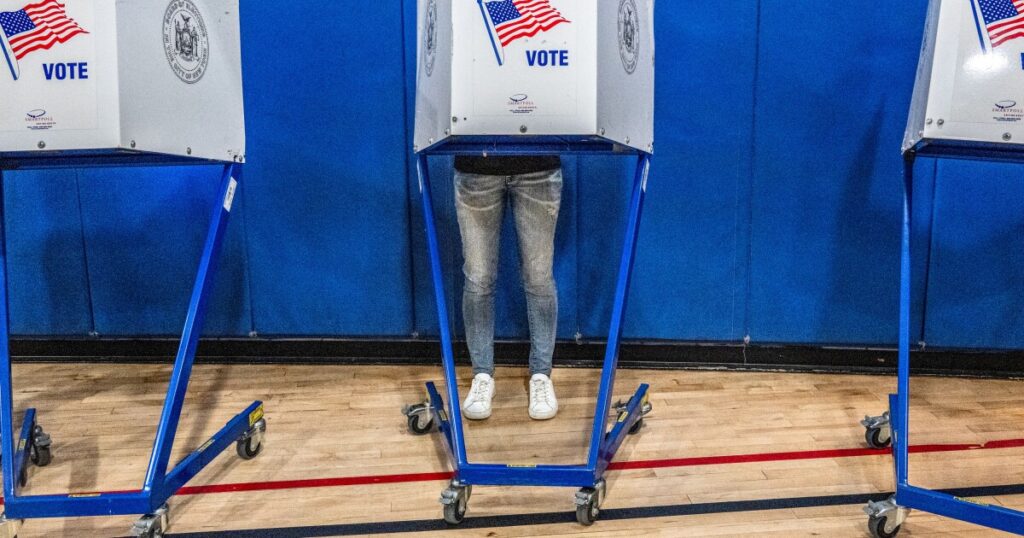
The bill stipulates that voters present a valid photo ID to vote in person and mandates a copy of such ID for mail-in voting. Alternatively, voters can provide the last four digits of their Social Security number and sign an affidavit if unable to secure an ID.
While voter ID laws are generally favored, the public is less enthusiastic about comprehensive election reforms.
3. Purging Noncitizens from Voter Rolls
The act requires state officials to eliminate noncitizens from voter rolls. Past efforts to do so have sometimes resulted in errors.
4. Submission of Voter Rolls to DHS
States must provide the Department of Homeland Security with complete voter registration lists through the SAVE system. These lists contain sensitive data, leading many states to resist previous requests from the Trump administration. The Department of Justice’s efforts to acquire these lists have been consistently blocked by courts.
Recently, a federal court declared the expanded SAVE system unlawful.
5. Penalties for Election Officials
The act introduces penalties for election officials who register a voter without citizenship proof, establishing criminal consequences for such actions.
Copyright 2026 NPR
—
Read More Michigan News



![Botched Ad Mix-Up: Super PAC Error in Arizona Congressional Race[embed]https://www.youtube.com/watch?v=bEMgIlCkHz0[/embed]](https://www.kitchentablenews.org/wp-content/uploads/2026/10/Botched-Ad-Mix-Up-Super-PAC-Error-in-Arizona-Congressional-RaceembedhttpswwwyoutubecomwatchvbEMgIlCkHz0embed.com2F0e2F962Fe971102f49e7a4f2a64fd3cc60a22Fjonatha.png "Botched Ad Mix-Up: Super PAC Error in Arizona Congressional Race[embed]https://www.youtube.com/watch?v=bEMgIlCkHz0[/embed]")