Article Summary –
The One Big Beautiful Bill Act signed in 2025 introduces new Medicaid work requirements, tax limitations, and biannual eligibility renewals, which could negatively impact kidney patients, particularly the 300,000 relying on Medicaid. These changes risk poorer health outcomes and challenges for the 35.5 million Americans with kidney disease, potentially causing rural dialysis clinics to close due to reduced funding, as seen in Nebraska. Additionally, the $35-per-treatment co-pay for those above the poverty line strains financial resources, forcing patients to prioritize basic needs over essential medical care.
Experts warn that the One Big Beautiful Bill Act, signed by President Donald Trump in 2025, poses a serious threat to kidney patients in the U.S. Changes in Medicaid under this budget law introduce new out-of-pocket expenses and work requirements for recipients. These measures limit taxes on medical providers and require recipients to frequently renew eligibility.
These Medicaid changes could worsen health outcomes for nearly 35.5 million Americans with kidney disease, including over 500,000 on dialysis and 300,000 Medicaid recipients, according to nephrologist Dr. Jesse Roach.
Starting January 1, 2027, the law will enforce work requirements for able-bodied Medicaid recipients aged 18-64, requiring 80 hours of work or volunteering monthly. While dialysis patients might get exemptions, they must consistently file paperwork.
“Many could qualify for a waiver, but the paperwork is burdensome for those with chronic diseases,” Roach noted.
The Commonwealth Fund highlighted the reduced 3.5% tax on medical providers’ net patient revenue, down from 6%. This cut limits state claims for federal Medicaid funds and threatens rural dialysis clinics.
“Rural clinics, with tighter margins and fewer patients, may struggle to remain open under reduced reimbursement,” explained Roach.
NPR reported that a Chadron, Nebraska hospital closed its dialysis clinic, forcing patients to travel long distances. Hay Springs resident Mark Pieper now drives 200 miles round trip for treatment.
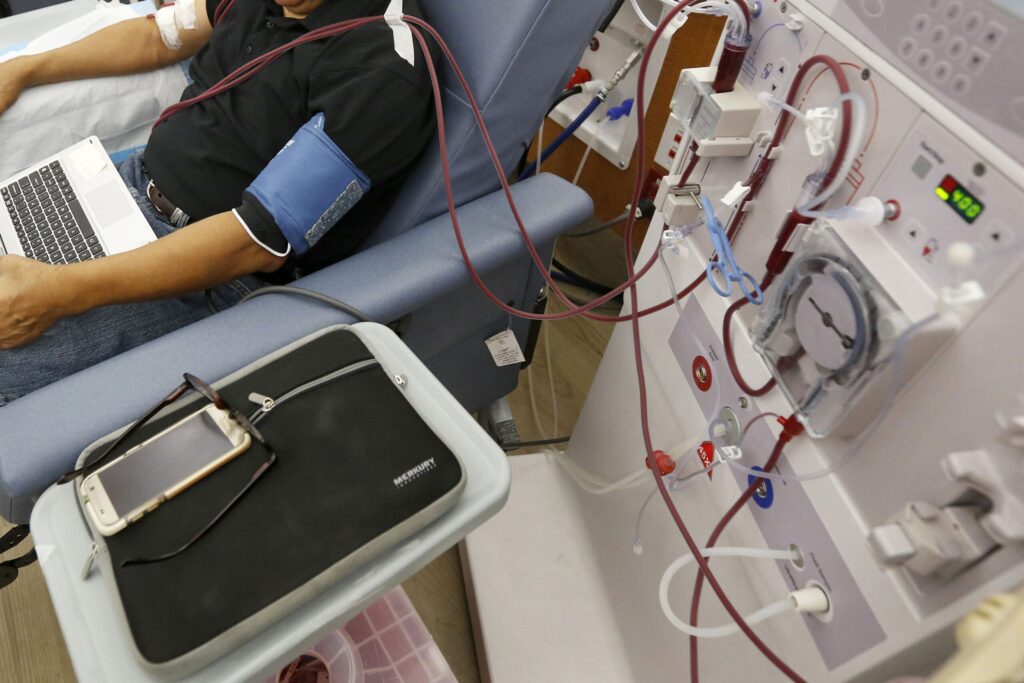
Hemodialysis patients typically visit clinics thrice weekly for 3-4 hours, while hemodialysis leaves them fatigued. Peritoneal dialysis offers flexibility but requires daily treatments and carries infection risks.
Karol Franks, administrator of the “I Hate Dialysis” Facebook page, expressed concern over the Medicaid requirements, particularly for low-income dialysis patients. “Balancing work requirements with health challenges is tough,” she said.
Franks’ daughter underwent hemodialysis and peritoneal dialysis before receiving two transplants.
For those above the poverty line, there’s a $35 per-treatment co-pay, totaling over $5,000 annually for three weekly treatments. “This financial burden will force tough choices between healthcare and essentials like food,” Roach stated.
—
Read More Pennsylvania News