Listen to the whole series
TRANSCRIPT
Justice Stephen Breyer, a Harvard Law alum, played a key role in creating a federal court in Boston. Bella Ramirez, a diligent student at Boston University, took on multiple paid internships alongside her role as a resident assistant to cope with Boston’s high living costs.
Ramirez, from Pembroke Pines, Florida, is set to be the first in her family to attend graduate school. Navigating law school admissions alone, she found the process daunting. The One Big Beautiful Bill Act, which imposed new federal loan caps, prompted her to withdraw from the waitlist at three top-tier law schools.
Ramirez ultimately chose Cardoza School of Law in NYC, thanks to a scholarship that aligned with new federal borrowing limits. Without this package, attending would have been impossible.
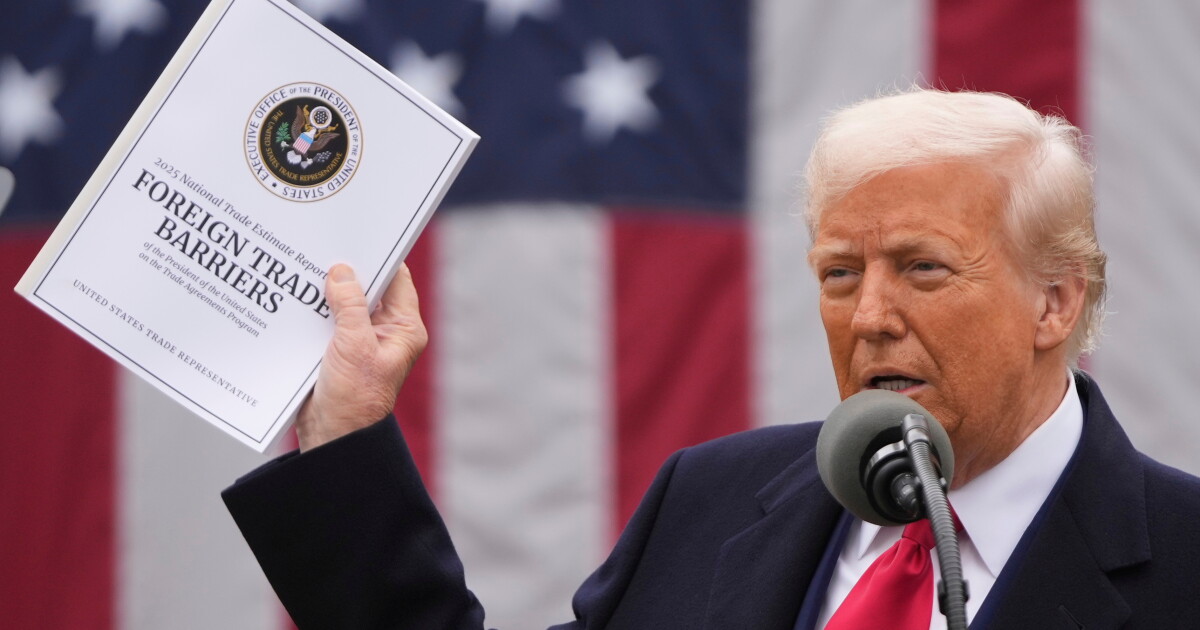
The Trump administration’s overhaul of federal higher education policy, effective July 1, impacts who can afford graduate school and which scientific discoveries receive funding. Proponents argue it introduces accountability, while critics warn it shifts decision-making away from universities and students. New graduate students face borrowing caps of $50,000 annually and $200,000 lifetime, a change affecting future educational affordability.
Secretary of Education Linda McMahon testified that unchecked federal loans have inflated graduate tuition. She believes the new caps will pressure institutions to reduce costs. Some schools, like Santa Clara University School of Law, have preemptively lowered tuition. The debate continues over whether these changes will make education more accessible or push students toward expensive private loans.
Josh Ferris from Leadership Brainery highlights the impact on Massachusetts, where nearly half the population holds a bachelor’s degree. The state, along with others, is challenging the narrow definition of professional programs in federal court. A judge’s recent ruling temporarily blocks the new loan caps for health-related graduate fields.
Preston Cooper of the American Enterprise Institute argues for tuition reduction over unlimited taxpayer-funded loans. He asserts that new loan limits will force institutions to make tough financial decisions.
The Trump administration also seeks to reshape the federal research grant system, giving political appointees final say over funding. Critics warn this could inject politics into science, traditionally driven by peer review. Susan Gerby, a retired Brown University professor, fears this shift could drive researchers abroad, echoing past funding freezes under Nixon.
Jonathan Butcher from the Heritage Foundation supports shifting power back to taxpayers, citing changed public trust in experts post-COVID-19. The administration’s proposal also limits grant funding for conferences and publications, raising concerns about academic freedom.
Lori Patton of the American Academy of Arts and Sciences emphasizes that scientific merit should guide research funding. Johns Hopkins professor Andy Ewald worries funding volatility might deter young scientists. China’s recent R&D spending surpasses the US, indicating a global shift.
As US higher education faces restructuring, enrollment declines and financial pressures mount. Institutions heavily reliant on international students, who pay full tuition, see shrinking numbers due to visa policies. Domestic students may bear the brunt through reduced services or increased tuition, highlighting the sector’s financial vulnerability.
Amid these challenges, federal support expands for short-term workforce training, including Pell Grants. However, rapid implementation has led to confusion among states and institutions. As these changes unfold, they signal a potential restructuring of American higher education.
This is College Uncovered, a podcast from GBH News produced by Kirk Carapezza and edited by Azita Ghahramani, Matt Baskin, and Adeline Sire.
Was this story helpful? Leave a tip to support your education reporters.
The Hechinger Report is a nonprofit newsroom powered by reader support
—
Read More Kitchen Table News