Michigan Lawmakers Aim for Timely Budget Approval Amid Tight Revenue
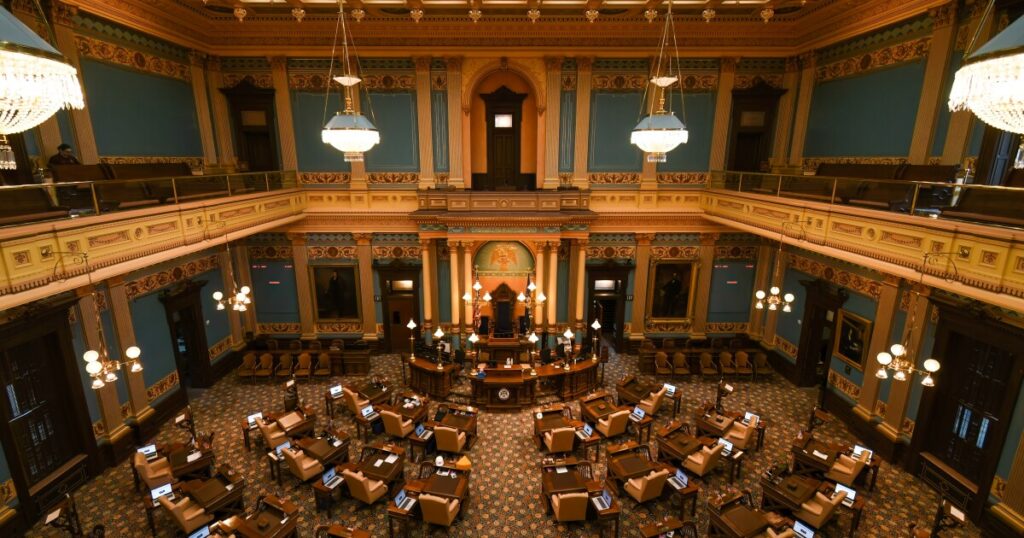
As Michigan lawmakers embark on crafting the state’s budget for the next fiscal year, they are moving swiftly to avoid the delays experienced last year. The Senate Appropriations Committee has recently forwarded several budget proposals to the Senate floor, marking the beginning of a critical legislative process. Votes are anticipated in the coming week before the bills proceed to the House.
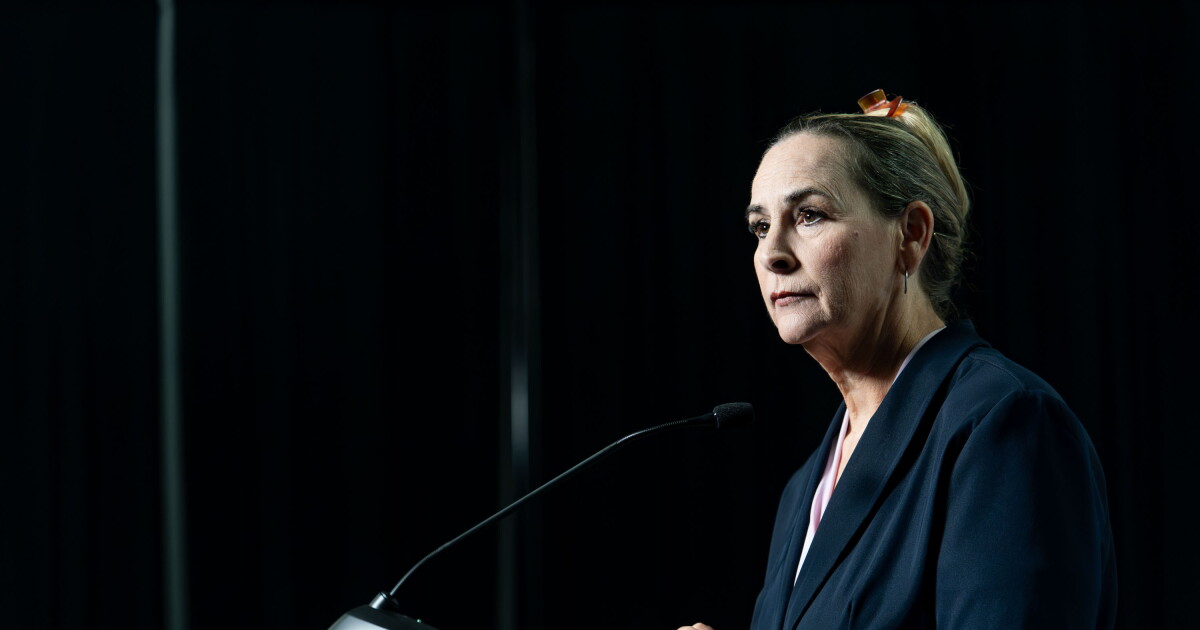
These budget proposals cover funding allocations for state departments, public universities, and community colleges. Democratic Senator Sarah Anthony of Lansing, who leads the appropriations committee, emphasized the challenge posed by tighter revenue streams. Despite this, she expressed her intent to develop a balanced budget, which is constitutionally required, without the imposition of new taxes.
“Folks are hurting right now, and so for us to start the conversation right now with new taxes doesn’t seem to be a place that our members want to start,” Anthony stated. She also acknowledged the need for flexibility in budgeting, considering recent extreme weather events impacting the state. “We’re seeing extreme weather patterns – natural disasters, whether it’s water, tornadoes, things that are really impacting people’s lives,” she noted. “We can’t account for those things. So, I always want to make sure we have the resources we need to address pressing needs.”
House Speaker Matt Hall, representing Richland Township, echoed the sentiment of avoiding new taxes and also ruled out using the state’s “rainy day” reserves, a strategy mentioned in Governor Gretchen Whitmer’s 2026 budget proposal. “We’re proposing an investment of $300 million in the ‘rainy day’ fund,” Hall said. “This is not a rainy day.”
However, the task of balancing the budget is more challenging this year due to a significant shortfall in expected revenue, as highlighted by official estimates. This fiscal challenge follows a year where the legislature missed both the July 1 legal deadline and the October 1 start of the fiscal year, eventually requiring Governor Whitmer to sign the budget after a short extension.
The hope is to pass this year’s budget by July 1 without delays. Lauren Leeds, spokesperson for the State Budget Office, expressed optimism, stating, “We look forward to working with our legislative partners to pass a fiscal year 2027 budget by July 1 that lowers costs, ensures our kids can succeed, and protects Medicaid.”
—
Read More Michigan News