Proposals to modify road construction policies in U.S. national forests have stirred concerns among Arizona conservationists. They fear potential environmental impacts, like increased logging and uranium mining near the Grand Canyon, as a result of these changes.
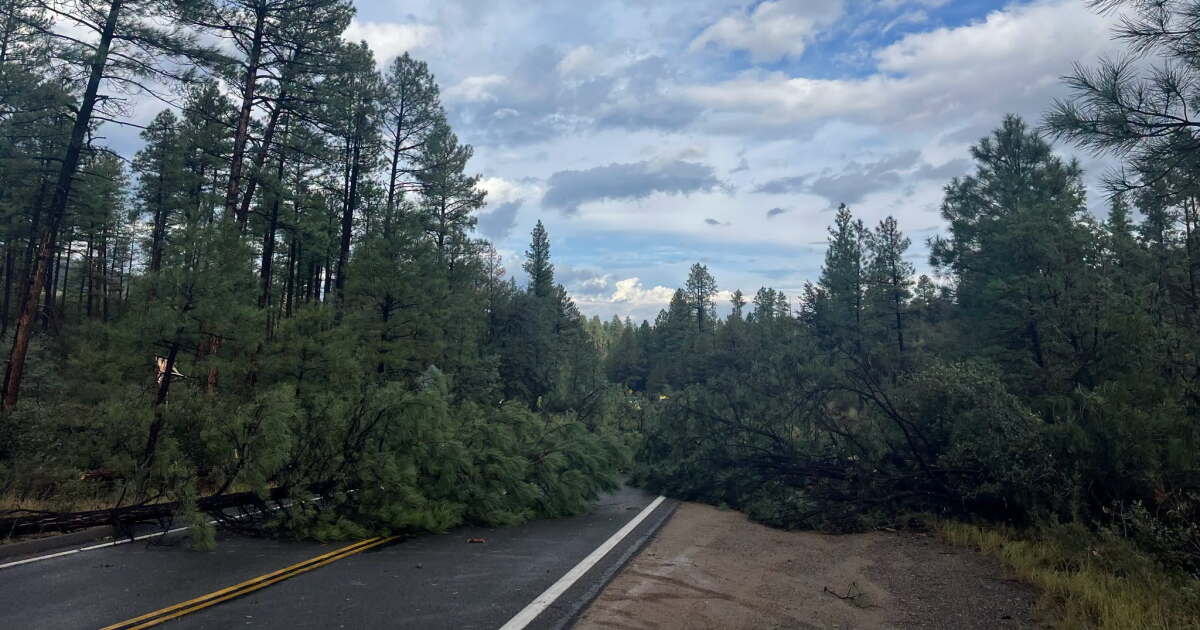
The U.S. Department of Agriculture (USDA) announced on August 18 its plan to revoke the 2001 Roadless Rule. This rule currently bans road creation and timber harvesting on federal forest territories, influencing about 45 million acres across 37 states, with significant areas in the West. Arizona has nearly 1.2 million acres protected under this rule, including regions in the Kaibab National Forest around the Grand Canyon.
The USDA argues that lifting the rule would enhance forest health and reduce wildfire risks. Agriculture Secretary Brooke Rollins stated, “For too long, outdated restrictions have kept tens of millions of forested acres off-limits to the very treatments that improve forest health and reduce wildfire risk to our communities.” This statement emphasizes issues like overgrowth and insect outbreaks as justifications for the change.
Introduced by President Bill Clinton in 2001, the Roadless Rule faced opposition from timber companies and was unsuccessfully challenged by President George W. Bush. While the rule applies to national forests, its revocation could also affect nearby national parks, including the Grand Canyon, according to Stephanie Adams, conservation programs director at the National Parks Conservation Association. She noted, “National parks don’t exist in isolation. The health of the park really depends on ensuring the health of the broader landscape.”
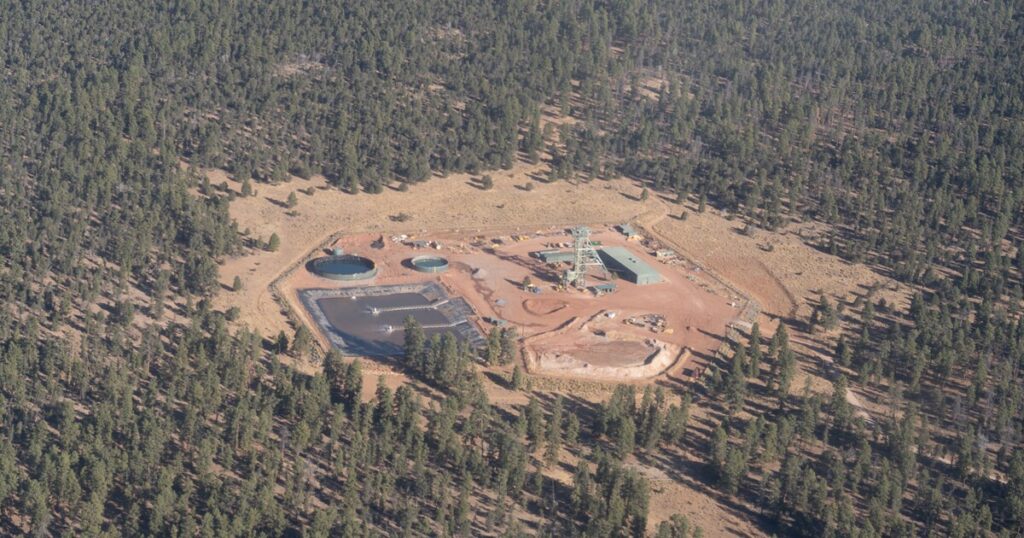
A public comment period for the proposed repeal is open until September 21. Critics fear this could lead to increased uranium mining near the Grand Canyon, where Energy Fuels Resources operates the Pinyon Plain Mine, located about six miles southeast of Tusayan in the Kaibab National Forest.
Conservationists like Adams highlight that, “Those roadless areas around the Grand Canyon provide a little bit of extra protection” for both wildlife and visitors. Despite this, the USDA assures that wildlife protections will remain intact, with future decisions on land management being informed by local communities and tribes.
Environmental groups express concerns that increased road construction could disrupt wildlife habitats. Matthew Nelson of the Arizona Trail Association noted, “Human-caused fires start on roads or within close proximity to roads,” raising fears that more roads might lead to more fires.
USDA officials counter that the current rule limits access for essential wildfire management and vegetation removal efforts. Forest Service Chief Tom Schultz noted, “Active forest management is not an option. It’s essential.” A Wilderness Society study further indicates that fires predominantly occur near roads, supporting the USDA’s stance.
Moreover, environmentalists like Elaine Leslie warn that road construction could fragment habitats, affecting species like elk and deer, with potential ripple effects on predators like mountain lions. Sandy Bahr of the Sierra Club’s Grand Canyon Chapter criticizes the rule change, arguing it prioritizes developers over public interests.
—
Read More Arizona News