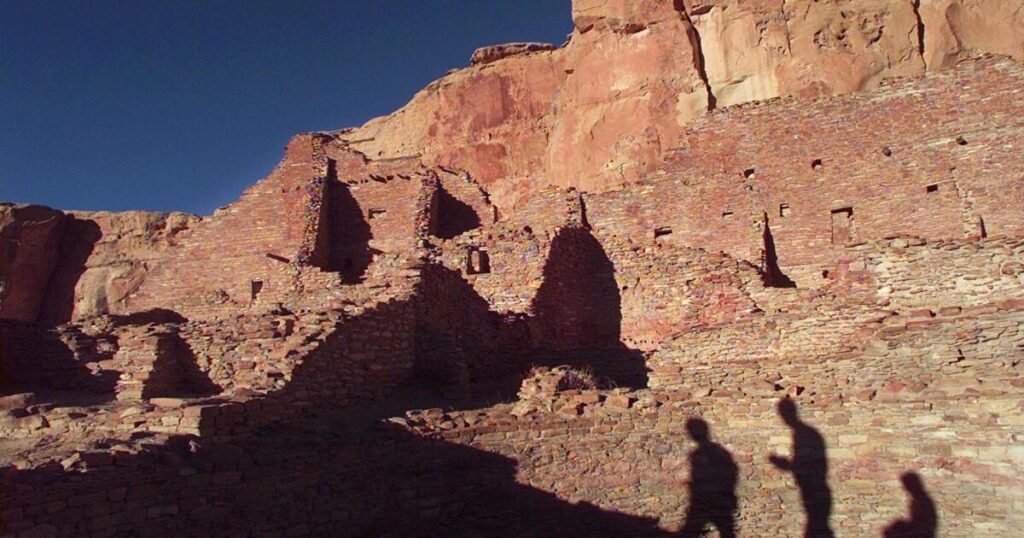
In a move that could reshape the landscape of federal land management in the southwestern U.S., the Trump administration is initiating formal discussions with Native American tribes regarding potential changes to a 20-year ban on oil and gas development near Chaco Culture National Historical Park. This development comes as the Bureau of Land Management (BLM) announced plans to evaluate the environmental impacts of reintroducing these federal lands for leasing.
The announcement, made through a letter to tribal leaders, sets the stage for a public comment period following the environmental assessment. This iconic UNESCO World Heritage site, known for its ancient stone structures and historical significance, has been at the heart of a contentious debate over drilling activities through several U.S. administrations.
Previously, the Biden administration, under pressure from several pueblo leaders, issued a 20-year moratorium on new oil and gas projects within a 10-mile radius of the historic site. However, with the Trump administration’s current review of Biden-era land orders, there is concern that these protections may be reversed, a worry shared by tribal leaders and New Mexico’s Democratic congressional delegation.
The Interior Department has yet to comment on recent communications with tribal leaders regarding this proposal but has emphasized its commitment to tribal consultations. The BLM has outlined three potential pathways: maintaining the current protections, completely revoking them, or reducing the protected buffer zone around the park.
Despite a government shutdown, BLM officials have assured tribal leaders their availability for discussions. In a bid to secure the protections, pueblo representatives recently traveled to Washington, D.C., advocating for permanent legislative safeguards.
Raymond Aguilar, Lt. Gov. of Santo Domingo Pueblo, highlighted the cultural importance of Chaco Canyon, stating, “Our bloodlines, our heritage, our cultural foundation, our identity comes from Chaco Canyon.” He likened its significance to that of Washington, D.C., as a place of leadership and protection.
The Chaco region holds deep historical and cultural ties for various tribes, from the Acoma and Laguna pueblos in New Mexico to the Hopi people in Arizona. At Picuris Pueblo, DNA research has been instrumental in tracing tribal lineage back to the area, a connection that pueblo members hope will amplify their voices in future development decisions.
However, the issue of the buffer zone has also created division among tribes. While some Navajo families, reliant on oil and gas revenues, advocate for a reduced protected area, the Navajo Nation has legally challenged the Biden administration’s consultation process, citing inadequate consideration of economic impacts on their communities.
—
Read More Arizona News